


Every new project at GIM Digital started wireframes from zero, even when the same components appeared across dozens of client briefs. Nobody asked to fix this. I built a centralized design system on my own initiative because I could see the pattern costing the team time every single sprint.

I tracked how long it actually took to move from discovery to high fidelity handoff across recent projects. The pattern was consistent: teams were rebuilding the same buttons, cards, navigation patterns, and form elements from scratch on every brief, with small inconsistencies creeping in each time depending on who built what.
There was no shared library, no naming convention, and no single source of truth for components already in production. The cost was not just speed. It was also visual inconsistency across a client portfolio spanning tech, banking, and gaming companies, where every brand needed a different visual language built on the same underlying patterns.


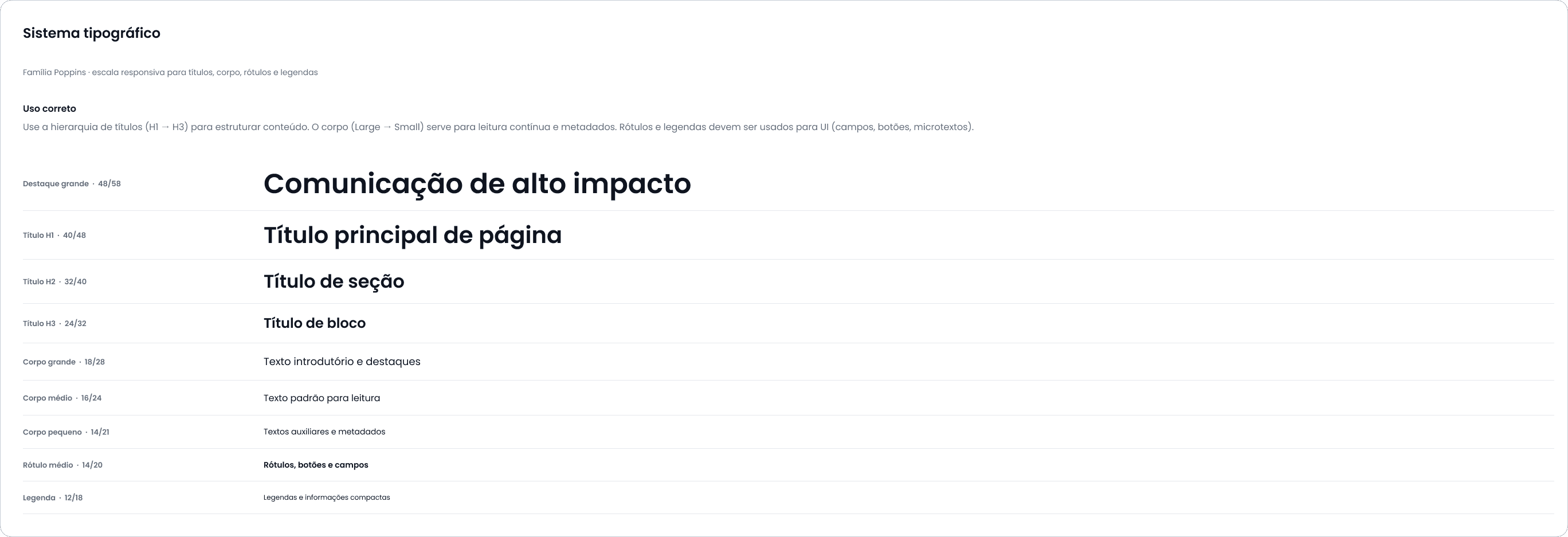
I audited existing screens across active and past projects, extracted the components that repeated most often, and built a centralized Figma library organized around components, icons, and reference screens. I structured it so a designer could start a new project by pulling from the library instead of opening a blank canvas.
I presented the system to the team and to leadership, walked through how to use it in a live session, and set an expectation that new projects would build from the library first and create net new components only when the library genuinely had a gap.


I measured time to delivery before and after through sprint retrospective data, not estimates. Wireframe production time dropped from seven days to three, a 60% reduction. The system kept running after I moved into a senior role and stayed in active use after I left the company, which is the clearest signal that it solved a real problem rather than adding process for its own sake.


